So you're standing in a bike shop, staring at a pair of cycling shorts with a $90 price tag, and the salesperson casually says "great chamois" like you're supposed to nod along. (It's pronounced "shammy," by the way. I googled that mid-conversation, phone hidden in my pocket, mortified.)
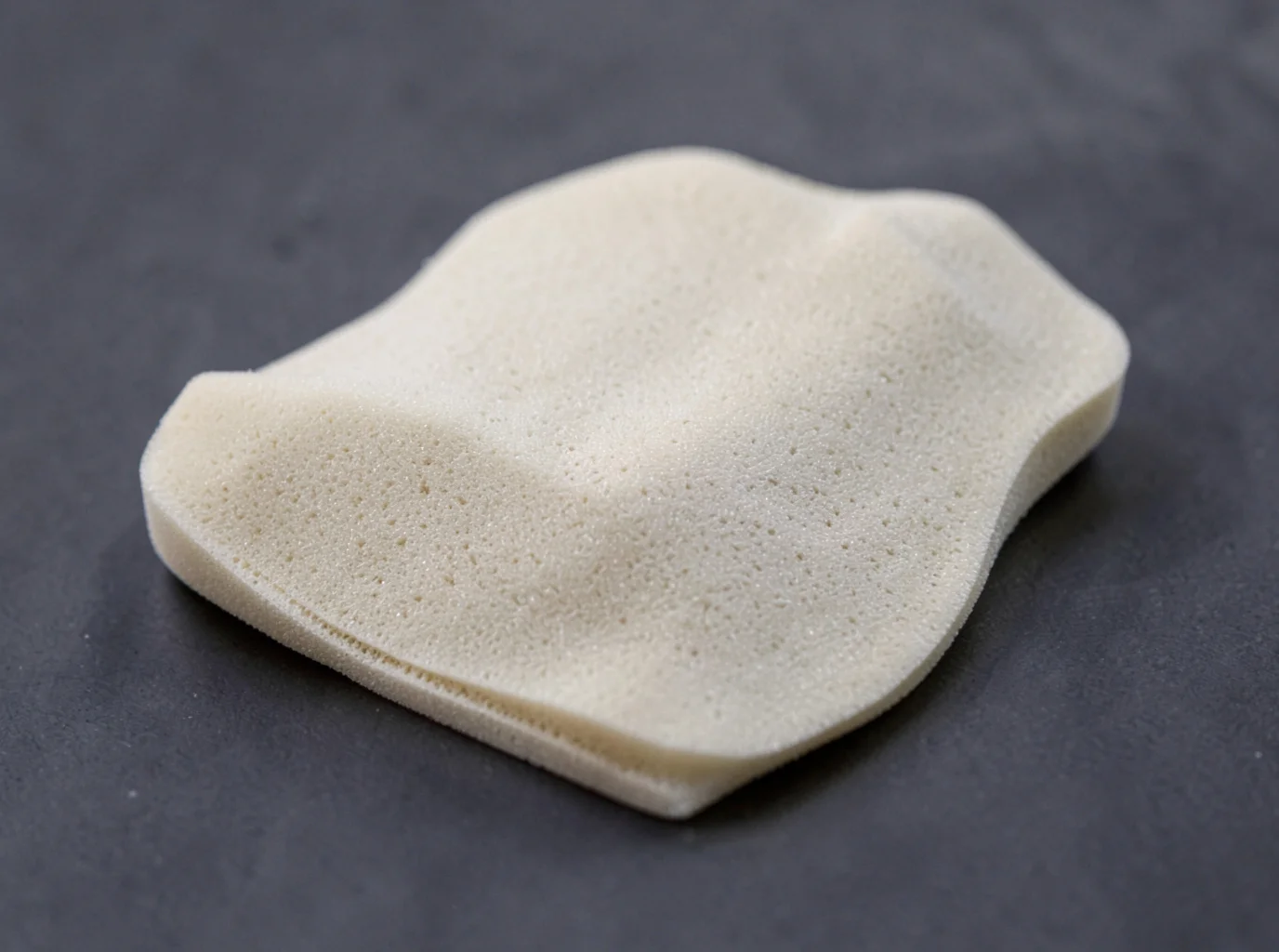
A chamois is the padded liner sewn into cycling shorts , sitting right where your body meets the saddle to absorb pressure and friction on longer rides.
Do you wear underwear under it? Does thickness even matter for a quick commute? I learned the hard way, after a 50km ride left me raw and regretting every skipped detail. This guide walks through everything I wish someone had told me first: what padded cycling shorts actually do, how to judge quality with your fingers before you buy, and the three rookie mistakes that turn a great ride into a painful one.
What a Cycling Chamois Looks Like and Where It Sits
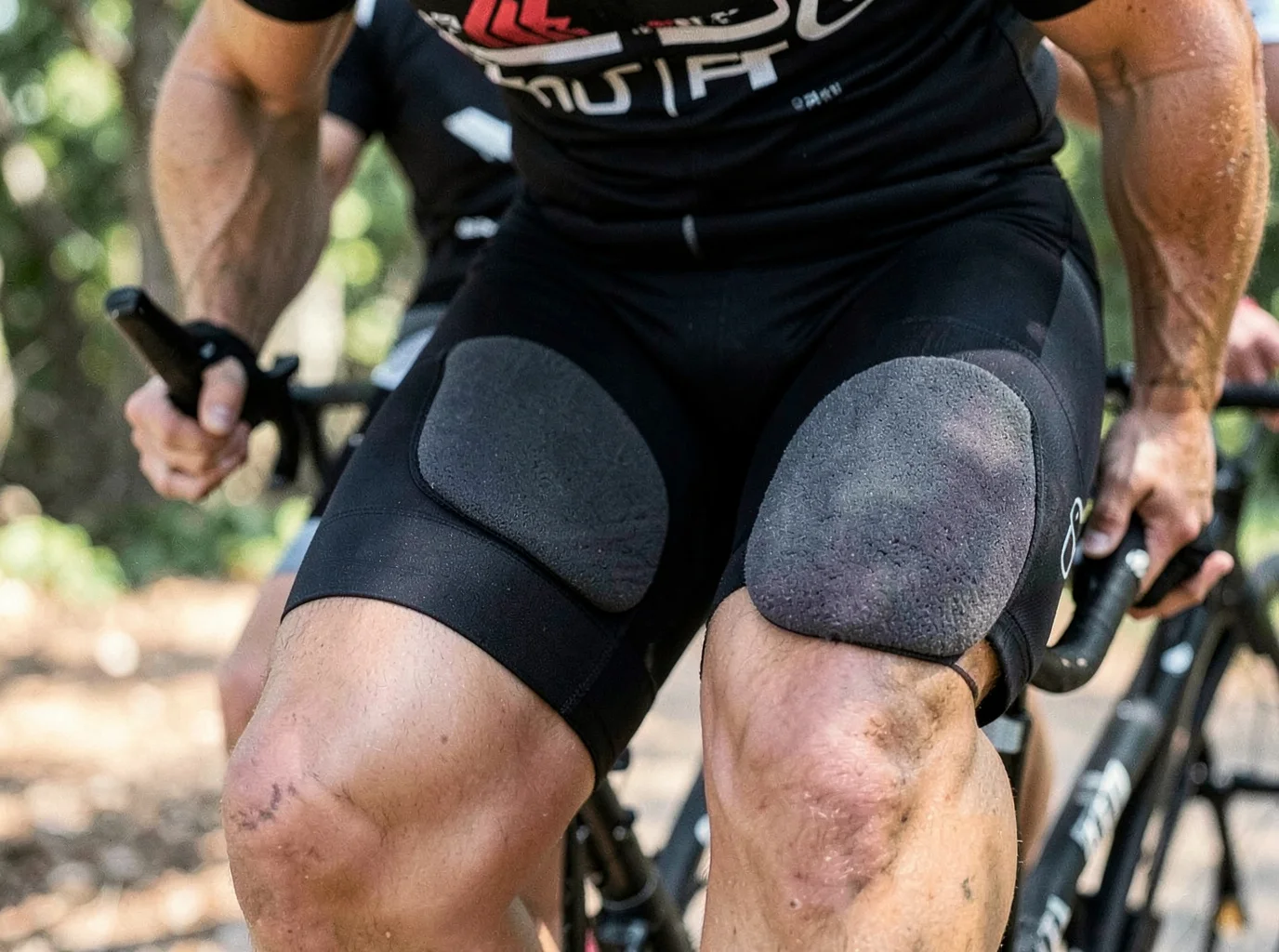
Pull apart a pair of cycling shorts and you'll find a topographical map. The chamois padding varies in thickness: thicker foam under your sit bones, then tapering thinner toward the front and sides. This deliberate anatomy reduces pressure exactly where you need relief and gets out of the way everywhere else. Good pads use multi-density foam, sometimes with a central channel for extra breathing room.Brands can order custom cycling chamois shorts with pad shapes matched to different saddle profiles.
Men's and women's pads differ. Men's chamois tend to run narrower front-to-back with a defined center cutout. Women's versions flare wider at the rear, covering more sit-bone area, with a shorter, rounder nose.
Fit matters as much as shape. The widest part of the chamois should line up with the widest part of your saddle. Lean forward, and the pad's rear ears should peek just past the saddle's rear edge. If there's a fabric flap up front, it should hug your skin, not flap outward like a tiny cape. Your cycling shorts liner cushions your sit bones, eases pressure on soft tissue, and stays anchored so it doesn't shift mid-pedal stroke.
What a Chamois Pad Does During a Ride
A chamois pad reduces friction, cushions your sit bones, wicks sweat, and keeps saddle sores from ruining your Saturday. That's it. That's the whole gig.
Every pedal stroke creates rubbing. Thousands of them, over a single ride. Without padding, that friction builds heat and irritation where you don't want it—the perineal and ischial areas taking the brunt. A good chamois pad softens that pressure, moves with your body instead of against it, and cuts down the skin-on-saddle rubbing that turns mile 30 into misery.
Moisture matters just as much as cushioning. Most bib shorts pad construction uses open-pored or perforated foam paired with a polyester or elastic surface fabric. This combination pulls sweat away from skin so you stay drier. Wet skin plus friction equals bacteria's favorite party. Some cycling chamois shorts manufacturers add antibacterial treatment to fight that battle, keeping odor and irritation risk lower on long days in the saddle.
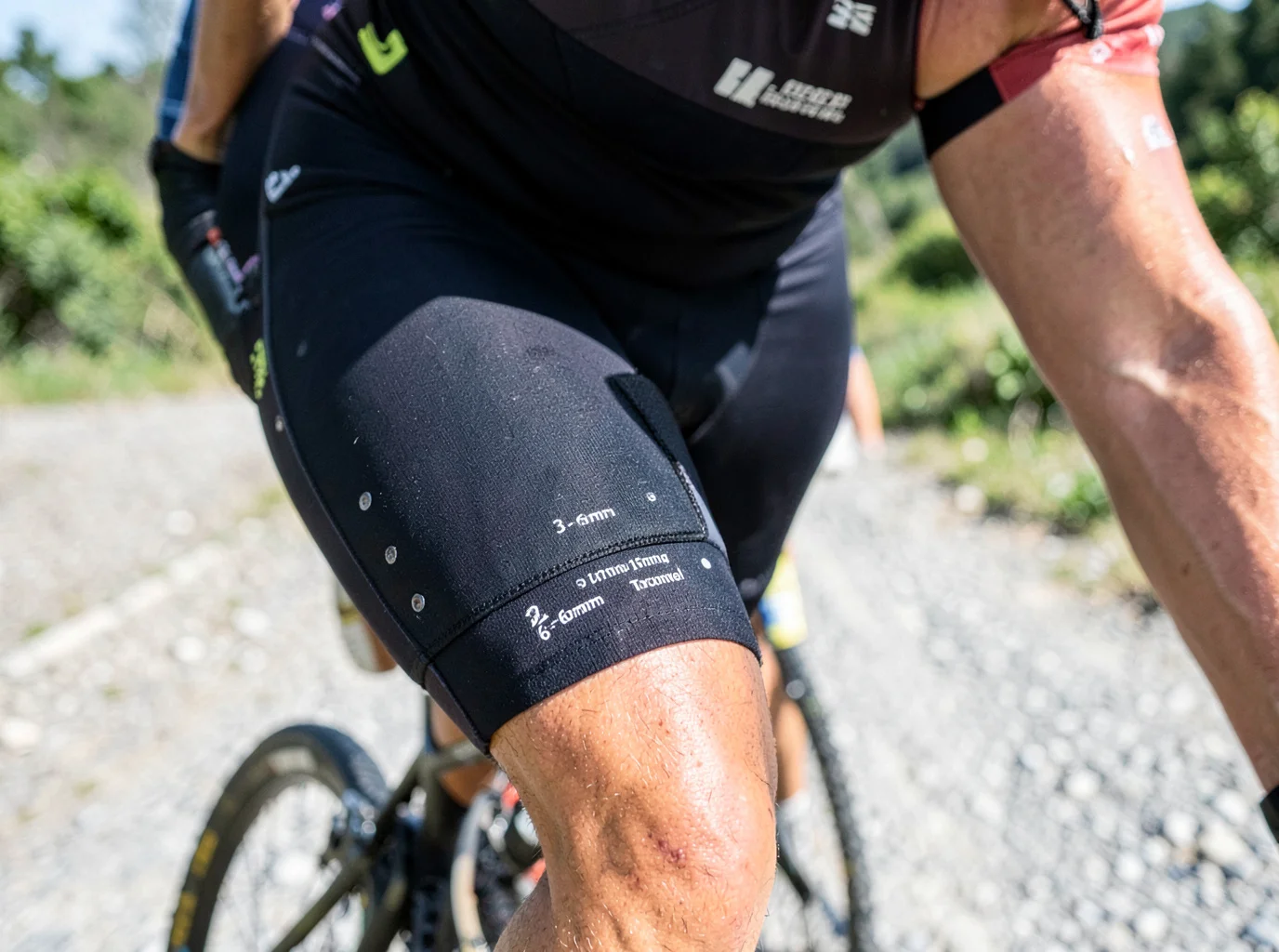
Thickness isn't random, either. Chamois pad thickness ranges from 2–15mm, and the number you need depends on how long you're riding. One cycling chamois shorts supplier I researched, Champion System, rates a 120 kg/m³ density foam at 2–10mm for rides up to 3-4 hours, then bumps to 2–15mm for gravel or endurance rides stretching toward 8 hours. Godfrey builds pads with 4mm memory foam on the outer edges and high-impact perforated foam—sometimes 5mm, sometimes 10mm—right in the center for shock absorption where you need it most.
The real-world payoff: less pressure on soft tissue, less friction from repetitive strokes, drier skin, and less road vibration transmitted into your body. Pair a quality chamois with chamois cream to reduce friction points, and you've got a legitimate defense system against saddle sores. Active protection built into your shorts.
Why the Chamois Must Sit Directly Against the Skin
Every new rider asks the same question. No underwear? Really?
Yes, really. Cycling chamois are designed to sit directly against the skin to manage friction, wick moisture, and avoid seam chafing. Add underwear and you introduce a whole new set of seams, extra fabric, and extra friction points that the pad was never built to handle.
Your chamois is a specialized tool built for one job. Underwear is a wrench you are using to hammer a nail. It technically works, but you're fighting the design, not using it.
REI and Liv Cycling both say you should wear no underwear beneath your bike shorts. The padded liner is your underwear on ride day.
The fit goal is flat skin contact with no wrinkles, no bunching, and no exposed seams sitting right on your pressure points. This keeps friction distributed evenly so you don't end up with a single angry hotspot by mile 20.
Chamois cream follows the same logic. Chamois Butt'r and similar products go directly on the skin, in friction zones—inner thighs, sit bones, groin. A thin, even layer does the job. Glob it on thick and you trap moisture instead of blocking friction. Same mistake, different form.
Thin, Dense, or Thick: How Chamois Thickness Matches the Ride
When I bought my second pair of shorts, I assumed thicker meant better. Bought the puffiest pad on the rack, figured more foam equals more comfort. Wrong. Density matters as much as thickness, sometimes more. A thick pad made from cheap, low-density foam compresses fast under your weight. Within twenty minutes, you're sitting on flattened mush that offers zero protection. A thinner, high-density pad often outperforms it.
Match thickness to your ride:
Racing or short, hard efforts (under 1.5 hours): 3–6mm or 6–9mm, high-density foam. Low bulk, aggressive position, and minimal interference with power output.
Endurance road rides (2–6 hours): 6–12mm, multi-density foam with pressure-relief channels built in.
Touring, gravel, multi-day rides: 12–15mm. Thicker padding for upright posture and hours upon hours in the saddle.
A simpler benchmark, based on weekly saddle time:
Under 3 hours/week: 4–6mm
3–6 hours/week: 8–10mm
Over 6 hours/week or multi-day trips: 12–15mm
Density benchmarks matter too. Economy foam runs 40–50 kg/m³. Mid-range sits around 70–120 kg/m³. Premium pads push toward 200 kg/m³, holding their shape ride after ride instead of collapsing by lunch.
Position counts as well. Aggressive road setups take 4–6mm with a front relief channel. Gravel and mixed-terrain riding calls for 8–10mm, full coverage. Mountain bikers in upright positions need 12–15mm with reinforced rear support.
The best chamois pad thickness depends on your position, your hours, and your foam quality.
How to Feel Chamois Quality Before Buying
Salespeople won't stop you from squeezing the pad. Do it anyway. Your fingers know more than the cycling chamois price tag does.
The squeeze test tells you everything. Press the chamois between your thumb and finger. Quality foam springs right back. Cheap foam stays flattened, holding the imprint of your fingers like a memory foam mattress that's given up. The difference is density, not thickness. A pad can feel thick in the store and collapse by mile ten if the foam underneath is low-grade.
Run your hand across the surface. It should feel smooth and slippery, almost like it's coated. That's the moisture-wicking top layer doing its job. Rough or scratchy texture against your palm means it'll feel rough against your skin too, minus the mercy of chamois cream to bail you out.
Check for consistency edge to edge. Good pads shift density on purpose, firmer under your sit bones and softer at the edges. Bad ones shift it by accident, with random thin spots and lumps that feel patchy under pressure.
Skip anything that feels airy or "diaper-like" when uncompressed. That's low density hiding behind bulk. Most riders should aim for a 9–12mm multi-density pad with firm center support. For racing, go 3–6mm high-density. No apologies for the lack of plushness.
Do You Need a Chamois for a 5 km Commute or a 50 km Ride?
Distance changes everything. That's the short answer.
Five kilometers to the office? Skip the chamois anxiety. A thin foam or ultra-thin commuter pad is plenty. Some are even designed to sit comfortably under work clothes, so you're not doing a shorts-swap in a bathroom stall before your 9am. Plenty of commuters ride in regular waist shorts instead, mostly because bathroom breaks are easier and it just feels less "cyclist," more "person going to work." If your route is bumpy or your saddle area is sensitive, padding still helps even at this short distance. But it's optional, not urgent.
Fifty kilometers is a different conversation entirely. The real chamois threshold sits around 50+ miles or 80+ km, but by 50 km you're already well past casual territory. Usually over an hour in the saddle, sometimes closer to two. That's the zone where guides stop saying "nice to have" and start saying "must-have." Dense or multi-density chamois, often built into bib shorts, becomes the standard recommendation here. Thin commuter pads are underbuilt for this kind of mileage—they compress fast and stop protecting you right when you need it most.
My rule now: under 10 miles, don't overthink it. Past that, get real padding or pay for it later.
The Three Beginner Mistakes That Cause Soreness
The chamois isn't magic. It's a tool. And like any tool, you can use it wrong.
Mistake #1: Going too far, too fast. Beginners jump from a casual 5km spin straight into a weekend 50km ride, assuming the pad will absorb whatever they throw at it. It won't. Extreme soreness from this jump can linger 4–5 days, which is enough to make anyone quit cycling altogether. The fix is boring but it works. Increase your weekly distance by roughly 10% at a time. Let your sit bones adapt gradually instead of shocking them into submission.
Mistake #2: Skipping the warm-up mentality. Riders hop on cold, push hard immediately, and wonder why they're raw by mile ten. Spend the first 5–10 minutes at an easy pace. Let your body and the chamois settle in before you demand anything from either.
Mistake #3: Confusing normal soreness with an actual problem. General tenderness across your sit bones after a long ride is expected. That's the chamois doing its job under stress. But sharp, localized pain in one specific spot is a red flag. Riders who push through it, assuming more chamois cream will fix everything, often end up with actual saddle sores instead of temporary discomfort.
If soreness hits harder than expected, cut your next ride's distance by 30–50%. Dropped from 20 miles to 10. Ease back in over two to three weeks rather than repeating the same mileage and hoping it improves on its own. Recovery is how you actually get to ride tomorrow.
Chamois Cream, Chamois Butter, and Saddle-Sore Prevention
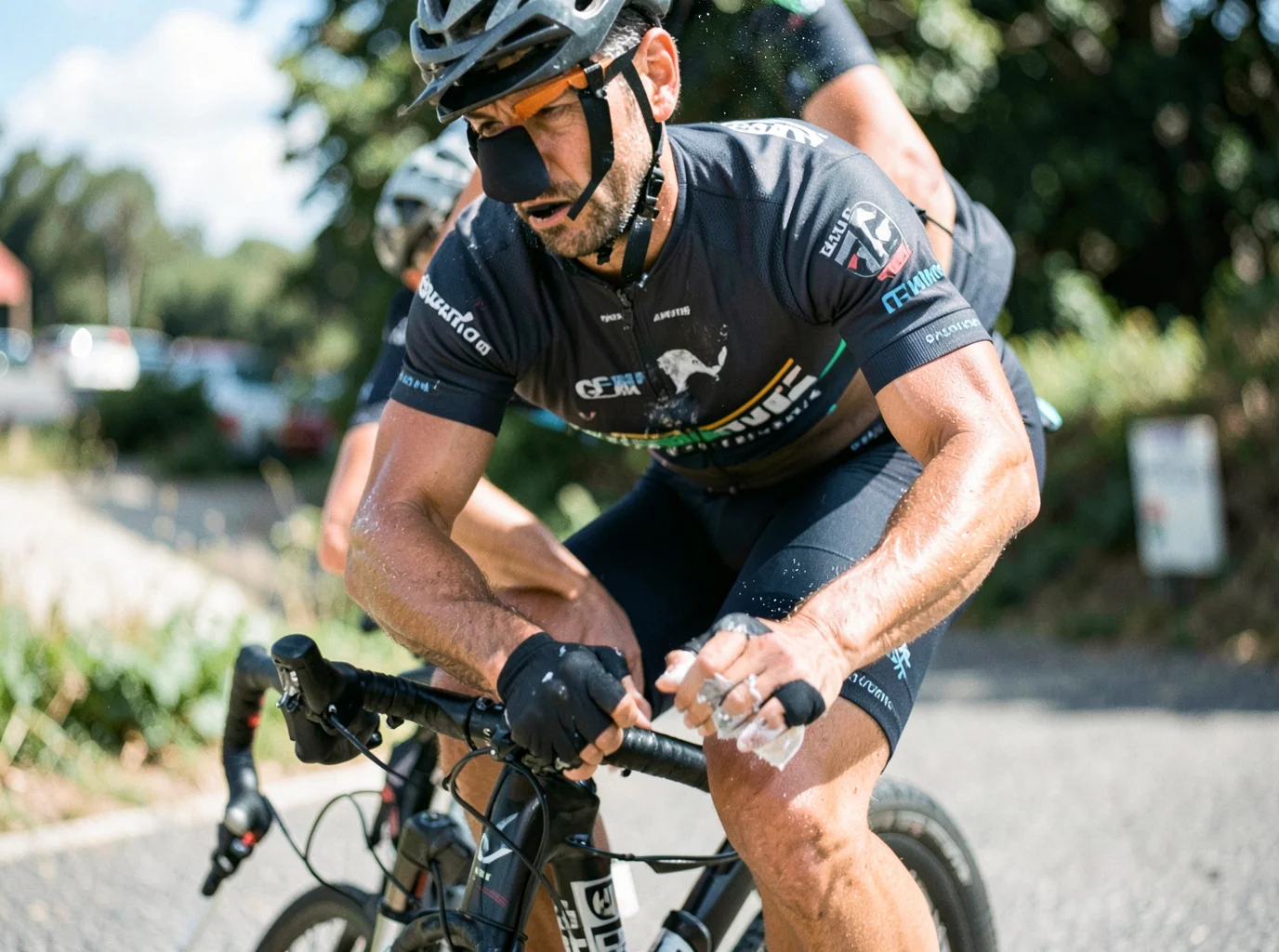
The bike shop pad is half the equation. Chamois cream is the other half. It’s an anti-friction lubricant you smear on your skin or the chamois pad to cut down rubbing before it turns into a real problem.
Where it goes matters. Perineum, groin, inner thighs—anywhere skin meets saddle and fabric. A thin layer before you clip in, and that’s it. No need to excavate the tub.
Chamois Butt’r Original, one of the category leaders, packs coconut oil, castor seed oil, beeswax, shea butter, and peppermint oil into its formula. Other “natural” blends lean on aloe, tea tree oil, and echinacea. Antibacterial ingredients show up across brands, which makes sense once you remember that friction plus moisture plus bacteria equals the exact conditions that breed saddle sores.
Rain and long rides call for extra cream. Dry, sweaty skin and a two-hour spin don’t need the same defense as a soaked gravel century.
Saddle-sore prevention requires a stack of measures:
A saddle that fits your anatomy
A proper bike fit (position matters more than people think)
Clean, seamless bibs
Chamois cream applied before you ride
Frequent position changes in the saddle
Immediate post-ride hygiene—strip the kit, shower, don’t marinate
Skip the last step and you’re undoing everything the cream did for you. Wash your shorts after every single ride. That single-use packet in your jersey pocket is insurance.
How to Wash and Replace a Worn Chamois
Your $90 cycling chamois deserves better than getting tossed in with your gym clothes on the hot cycle. Wash it after every ride. Sweat and bacteria don't wait for laundry day.
The right routine:
Turn your shorts inside out first, so water and detergent hit the pad directly
Machine wash at 30°C (86°F) on delicate, or hand wash if things got muddy
Use mild liquid detergent instead of powder, which lingers in the foam
No fabric softener, no bleach. Both break down foam loft over time
Press out excess water gently. Never wring or twist the pad
Hang dry. If you must use a dryer, use no heat or only low heat
Follow that combo and your chamois pad keeps its thickness instead of collapsing early.
Know when it's done. Flattened foam, cracking, permanent odor that survives a wash, or fabric peeling away from the pad—those are your signals. Most riders get 6 months to a year with regular use, or roughly 7,000–10,000 miles before performance drops off. Once it stops bouncing back, it stops protecting you.
Conclusion
I wish someone had told me this before that brutal 50km ride. Let the chamois sit against your skin, skip the underwear, match the pad thickness to your mileage, and you solve 90% of the "why does this hurt" question before you even clip in.
Padded shorts do the work. But chamois cream and washing them properly keep saddle sores away. Next time you shop, run your fingers across the pad, check the stitching, and buy for the ride you're doing, not the one you wish you were doing.Volume orders can also receive a custom wholesale price for cycling chamois shorts.
Your sit bones will thank you.